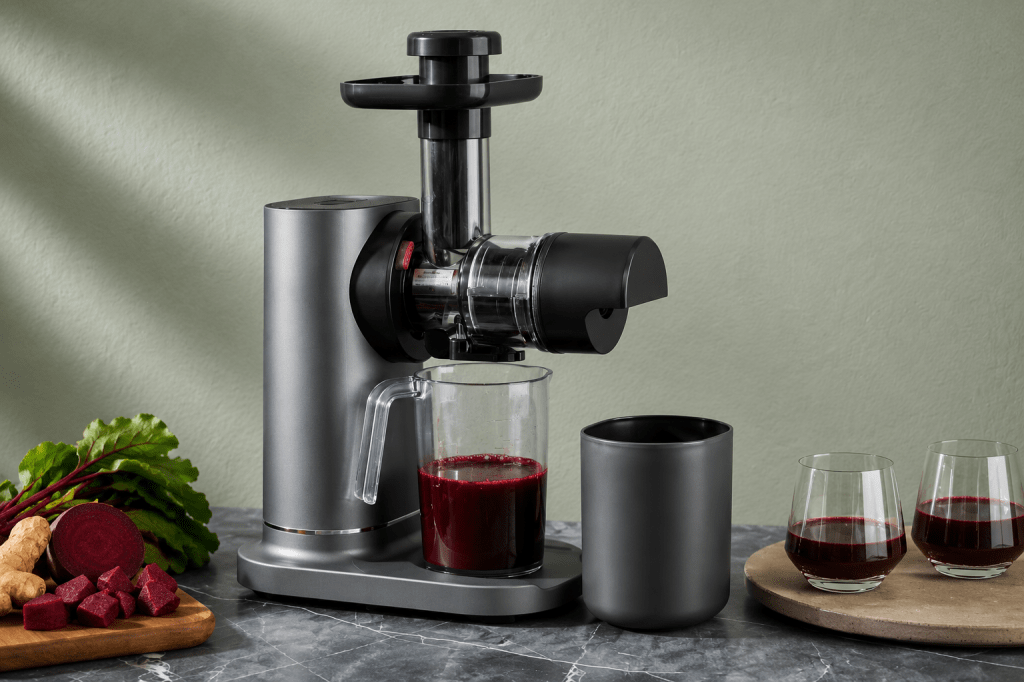
Ever wondered why that glass of freshly pressed juice tastes so much better than anything you grab from the supermarket shelf? Have you been thinking about making your own juice at home but felt overwhelmed by all the options out there? Or perhaps you’re curious whether investing in a juice presser machine is actually worth it for your daily routine?
You’re not alone in asking these questions. More Australians than ever are discovering the joy of making fresh juice at home. It’s become a morning ritual for many, and for good reason. A juice presser machine offers a straightforward way to pack more fruits and veggies into your diet without much fuss. Plus, there’s something genuinely satisfying about creating your own blends and knowing exactly what goes into every glass.
In this guide, we’ll walk you through everything you need to know about juice presser machine. From understanding how they work to picking the right one for your kitchen, we’ve got you covered. You’ll learn about the different types available, what features matter most, and how to get the best results from your machine. By the end, you’ll have all the knowledge you need to start enjoying fresh, nutrient-packed juice every single day.
What is a Juice Presser Machine?
A juice presser machine is a kitchen appliance designed to extract juice from fruits and vegetables by applying pressure rather than high-speed spinning. Unlike traditional juicers that rely on fast-moving blades, these machines work slowly and methodically to squeeze every drop of goodness from your produce.
How Does a Juice Presser Machine Work?
The process is surprisingly simple. First, you feed your fruits or vegetables into the machine. An auger (a spiral-shaped component) then crushes and presses the produce against a mesh screen. This gentle squeezing action separates the juice from the pulp. The juice flows into one container while the dry pulp gets pushed out separately.
This slow extraction method typically operates at around 80 rotations per minute. The low speed means minimal heat generation, which helps preserve those valuable vitamins and enzymes we’re all after.
Juice Presser vs Centrifugal Juicer: What’s the Difference?
Centrifugal juicers use a fast-spinning blade to shred produce and spin out the juice through centrifugal force. They’re quick, but that speed comes at a cost. The high-speed spinning generates heat and introduces air, which can oxidise nutrients faster.
Juice pressers, on the other hand, work at a fraction of the speed. This means better nutrient retention, less foam, and juice that stays fresh longer. The trade-off? They take a bit more time to produce each glass.
Benefits of Using a Juice Presser Machine at Home
Nutrient Retention and Health Benefits
The slow pressing method keeps more vitamins, minerals, and enzymes intact. Since there’s minimal heat involved, heat-sensitive nutrients like vitamin C and B vitamins don’t get destroyed during extraction. You end up with juice that’s genuinely more nutritious.
Many users report feeling more energised after switching to cold-pressed juice. The higher nutrient density means your body absorbs more goodness from each glass.
Cost Savings Compared to Store-Bought Juice
Have you noticed how pricey those bottled cold-pressed juices are? A single bottle can set you back eight to twelve dollars at juice bars. Making your own at home costs a fraction of that price, even when you buy quality organic produce.
Over a year, the savings really add up. Your juice presser machine can pay for itself within just a few months of regular use.
Reduced Waste and Environmental Impact
Store-bought juices come in plastic bottles and packaging that often end up in landfill. By making juice at home, you’re cutting down on single-use plastics significantly. What’s more, you can compost the leftover pulp or use it in baking and cooking.
Types of Juice Presser Machines
Cold Press Juicers
Cold press juicers are the gold standard for nutrient preservation. They use hydraulic pressure to extract juice without generating heat. These machines produce exceptionally smooth juice with minimal oxidation.
Masticating Juicers
Masticating juicers use a single auger to chew and press produce. They’re versatile enough to handle leafy greens, wheatgrass, and even make nut butters. These are brilliant all-rounders for most home kitchens.
Manual Vs Electric Juice Pressers
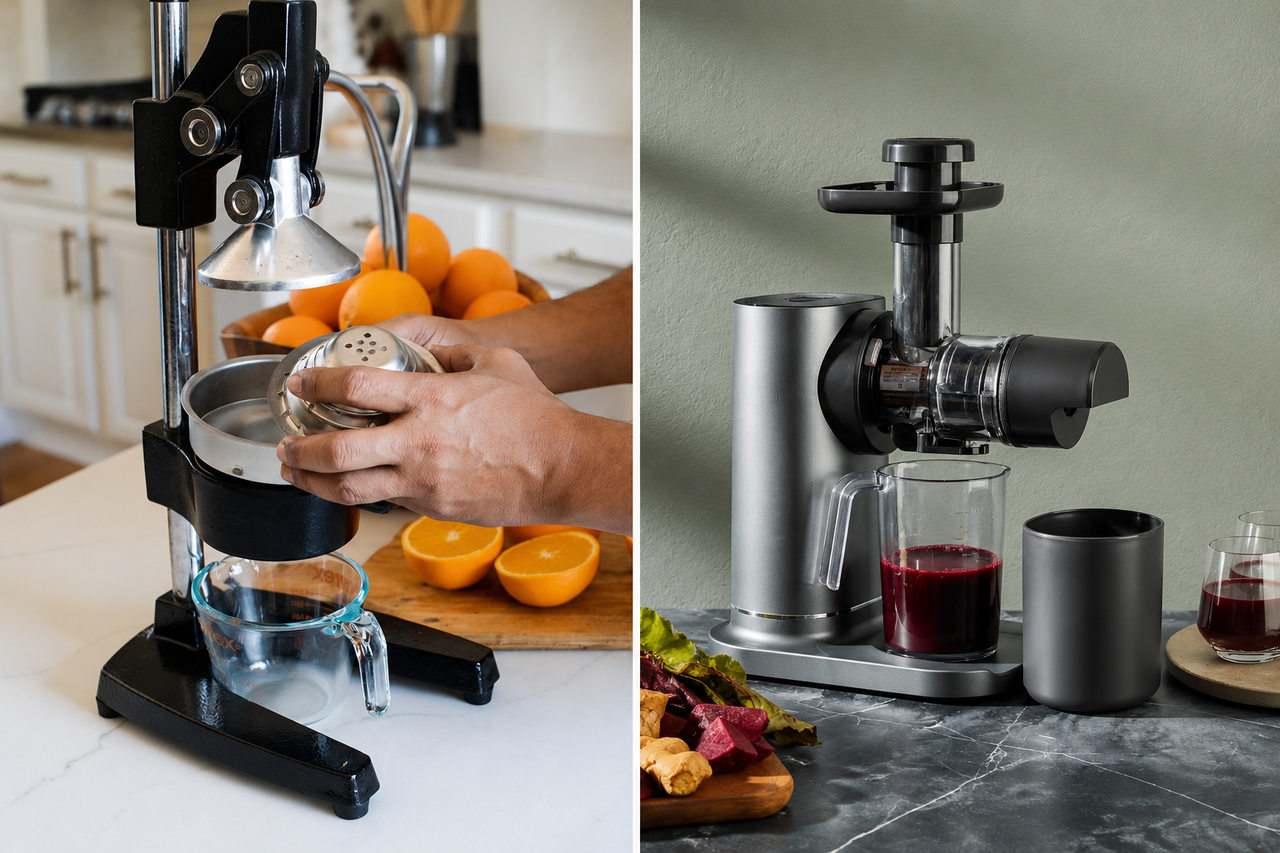
Manual juice pressers require elbow grease but need no electricity. They’re portable and often more affordable. Electric models do the hard work for you and process larger quantities quickly. Your choice depends on how much juice you plan to make and your budget.
What Should I Look for When Buying a Juice Presser Machine?
Motor Power and Speed Settings
Look for motors between 150 to 400 watts for household use. Variable speed settings let you adjust for different produce types—softer fruits need less power than hard vegetables like carrots or beetroot.
Ease of Cleaning and Maintenance
This is crucial. If cleaning is a nightmare, you won’t use your machine regularly. Look for models with dishwasher-safe parts and fewer components to disassemble.
Size and Kitchen Counter Space
Measure your counter space before buying. Some juice pressers have surprisingly large footprints. Vertical models often take up less room than horizontal designs.
Price Range and Value for Money
Entry-level machines start around $100, while premium models can exceed $600. Mid-range options between $200 and $400 typically offer the best balance of quality and features for most households.
Is a Cold Press Juicer Better Than a Normal Juicer?
For nutrient retention and juice quality, cold press juicers definitely come out on top. The juice lasts longer in the fridge (up to 72 hours versus 24 hours for centrifugal juice) and contains more vitamins. However, centrifugal juicers work faster and cost less upfront. If speed matters more than maximum nutrition, a regular juicer might suit you better.
What Fruits and Vegetables Can You Juice with a Presser Machine?
The beauty of juice pressers is their versatility. Apples, oranges, carrots, celery, cucumber, and ginger all work wonderfully. Leafy greens like spinach and kale juice beautifully in masticating models. Even trickier items like wheatgrass and pomegranates are manageable. The only real limits are very fibrous items like banana or avocado, which are better suited for smoothies.
How Long Does Fresh Pressed Juice Last?
Properly stored cold-pressed juice stays fresh for 48 to 72 hours in the fridge. Keep it in an airtight glass container filled to the brim to minimise oxidation. For the best taste and nutrition, drink it within 24 hours. You’ll notice the colour and taste begin changing as oxidation occurs.
Are Juice Presser Machines Easy to Clean?
Modern juice pressers are designed with cleaning in mind. Most take around five to ten minutes to clean thoroughly. Many parts are dishwasher safe, making the process even simpler. The key is rinsing components immediately after use before pulp dries and hardens.
Best Juice Presser Machine for Beginners
For newcomers, look for models with simple assembly and fewer parts. Vertical masticating juicers are often ideal—they’re compact, relatively affordable, and produce excellent results. Brands offering strong warranties (at least two years) give peace of mind while you’re learning.
Common Mistakes to Avoid When Using Your Juice Presser
Don’t overload the feed chute—patience produces better results. Always remove stones and hard seeds from fruits like peaches and mangoes. Alternate between soft and hard produce to keep things moving smoothly. Finally, don’t forget to prep your ingredients properly. Chopping produce into appropriate sizes prevents jamming and extends your machine’s lifespan.
Making Fresh Juice Part of Your Daily Routine
So, there you have it—everything you need to know about juice presser machine and why they’re brilliant for daily fresh juice. From understanding the technology behind cold pressing to knowing what features matter when shopping, you’re now equipped to make an informed choice.
The benefits are clear: better nutrition, significant cost savings, and a more environmentally friendly approach to enjoying fresh juice. Whether you opt for a manual presser or a feature-packed electric model, the investment in your health is worthwhile. Starting your morning with a glass of genuinely fresh juice can transform how you feel throughout the day.
Ready to take the plunge? Start simple, experiment with different fruit and vegetable combinations, and discover what works for your taste buds. Your juice presser machine will quickly become one of the most-used appliances in your kitchen. Here’s to your health and to making fresh juice a delicious part of your everyday life!


Leave a comment