Ever wondered why your above ground pool water looks a bit cloudy, even though you’ve been adding chemicals religiously? Or perhaps you’ve noticed your pump making strange noises and aren’t quite sure what to do about it? Maybe you’re simply looking for ways to keep your pool equipment running smoothly without spending a fortune on repairs?
You’re definitely not alone. Your pool pump and filter system are the unsung heroes of crystal-clear water. They work tirelessly to circulate and clean thousands of litres, yet they’re often overlooked until something goes wrong. The good news? A little regular attention goes a long way in keeping these essential components in top shape.
In this guide, we’ll walk you through everything you need to know about maintaining your above ground pool pump and filter system. From quick daily checks to seasonal care tips specifically for Australian pool owners, you’ll discover practical, easy-to-follow advice that’ll save you time, money, and headaches. Whether you’re a first-time pool owner or just looking to brush up on your maintenance knowledge, you’ll find straightforward solutions to keep your pool sparkling all year round.
Understanding Your Above Ground Pool System
How Does an Above Ground Pool Pump Work?
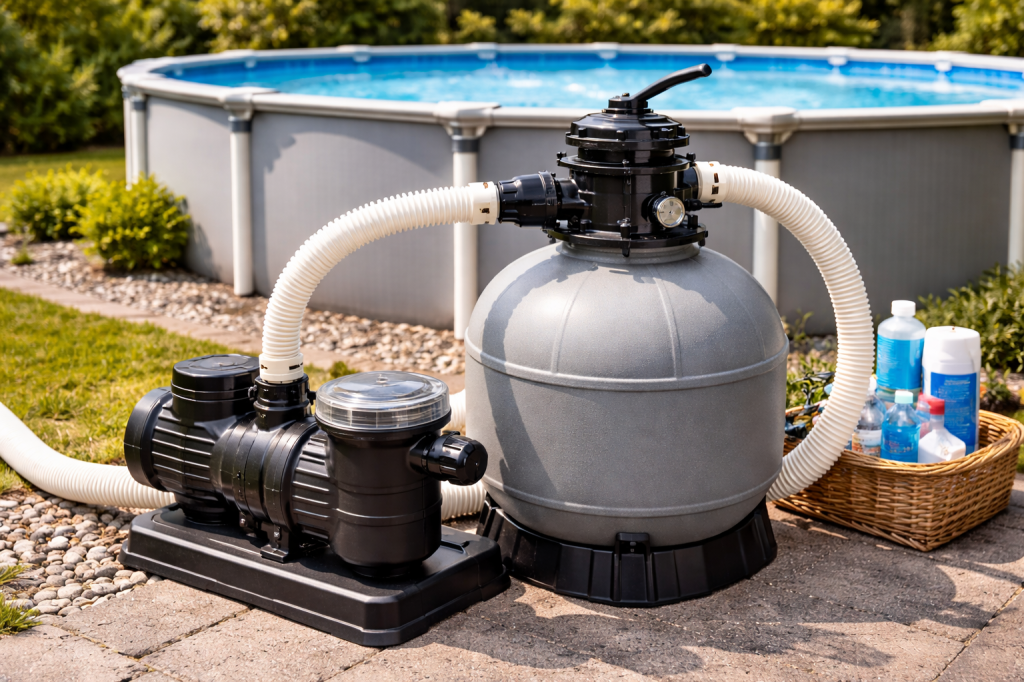
Your pool pump is essentially the heart of your entire filtration system. It draws water from the pool through the skimmer, pushes it through the filter, and returns clean water back to the pool. This constant circulation prevents stagnant water and keeps chemicals evenly distributed.
The pump contains an impeller—a rotating disc that creates suction. When working correctly, it moves water efficiently and quietly. Understanding this basic function helps you spot problems early and appreciate why regular maintenance matters so much.
Types of Filters: Sand, Cartridge, and DE Explained
Sand filters use specially graded sand to trap debris and particles. They’re low-maintenance and only need backwashing every few weeks. Cartridge filters use pleated fabric to capture dirt and require periodic removal and cleaning. DE (diatomaceous earth) filters offer the finest filtration but need more hands-on care.
Each type has its pros and cons. Sand filters are brilliant for busy pool owners, while cartridge filters suit smaller pools perfectly. DE filters provide exceptional water clarity but demand more attention. Knowing your filter type determines your maintenance routine.
Signs Your Pool Pump or Filter Needs Maintenance
Watch out for reduced water flow, cloudy pool water, or unusual noises from your pump. A pressure gauge reading that’s significantly higher than normally indicates a dirty filter. Visible leaks, air bubbles in the return jets, or the pump struggling to prime are all red flags worth investigating promptly.
Daily and Weekly Maintenance Tasks
Quick Visual Checks Every Pool Owner Should Do
Make it a habit to glance at your pump and filter setup daily. Check for visible leaks, ensure the pump is running smoothly, and monitor the pressure gauge. These 30-second checks can catch small issues before they become expensive repairs.
Listen to your equipment too. A healthy pump produces a consistent, low hum. Any grinding, screeching, or rattling sounds warrant immediate attention.
How Often Should You Run Your Above Ground Pool Pump?
During Australian summer, aim for 8-12 hours of pump operation daily. This ensures complete water turnover at least once or twice. In cooler months, you can reduce this to 4-6 hours, though never stop running it entirely.
Running your pump during off-peak electricity hours saves money without compromising water quality. Many pool owners set timers for overnight operation when power rates are lower.
Skimmer Basket and Pump Basket Cleaning
Empty your skimmer basket every few days—more often during autumn when leaves are falling. A full basket restricts water flow and makes your pump work harder than necessary.
Don’t forget the pump basket too. Turn off the pump, remove the lid carefully, and clear out any debris. This simple task dramatically improves efficiency and extends pump life.
Filter Maintenance Made Simple
How Do You Clean an Above Ground Pool Filter?
For cartridge filters, remove the cartridge and spray it thoroughly with a garden hose, working from top to bottom. Sand filters require backwashing—reversing water flow to flush out trapped debris. DE filters need periodic recharging with fresh diatomaceous earth after backwashing.
A quick rinse won’t always cut it. For stubborn buildup, soak cartridges in a filter cleaning solution overnight. This dissolves oils, sunscreen residue, and organic matter that regular hosing misses.
When Should You Backwash Your Pool Filter?
Backwash when your pressure gauge reads 8-10 psi above the clean baseline. For most pools, this occurs every 2-4 weeks during swimming season. After heavy use or storms, you might need to backwash more frequently.
Never over-backwash though. Some debris actually helps filters work better, so only backwash when pressure indicates it’s necessary.
How Often Should You Replace Your Pool Filter Cartridge?
Quality cartridge filters typically last 2-3 seasons with proper care. However, if you notice the fabric becoming thin, frayed, or permanently discoloured despite cleaning, it’s time for a replacement. Using a worn cartridge forces your pump to work overtime.
Deep Cleaning Your Filter: A Step-by-Step Guide
- Turn off the pump and relieve system pressure
- Remove the filter element carefully
- Hose off loose debris thoroughly
- Soak in filter cleaner solution for 8-12 hours
- Rinse completely before reinstalling
- Check o-rings and seals for wear while you’re at it
Pool Pump Care and Troubleshooting
How to Keep Your Pool Pump Running Efficiently
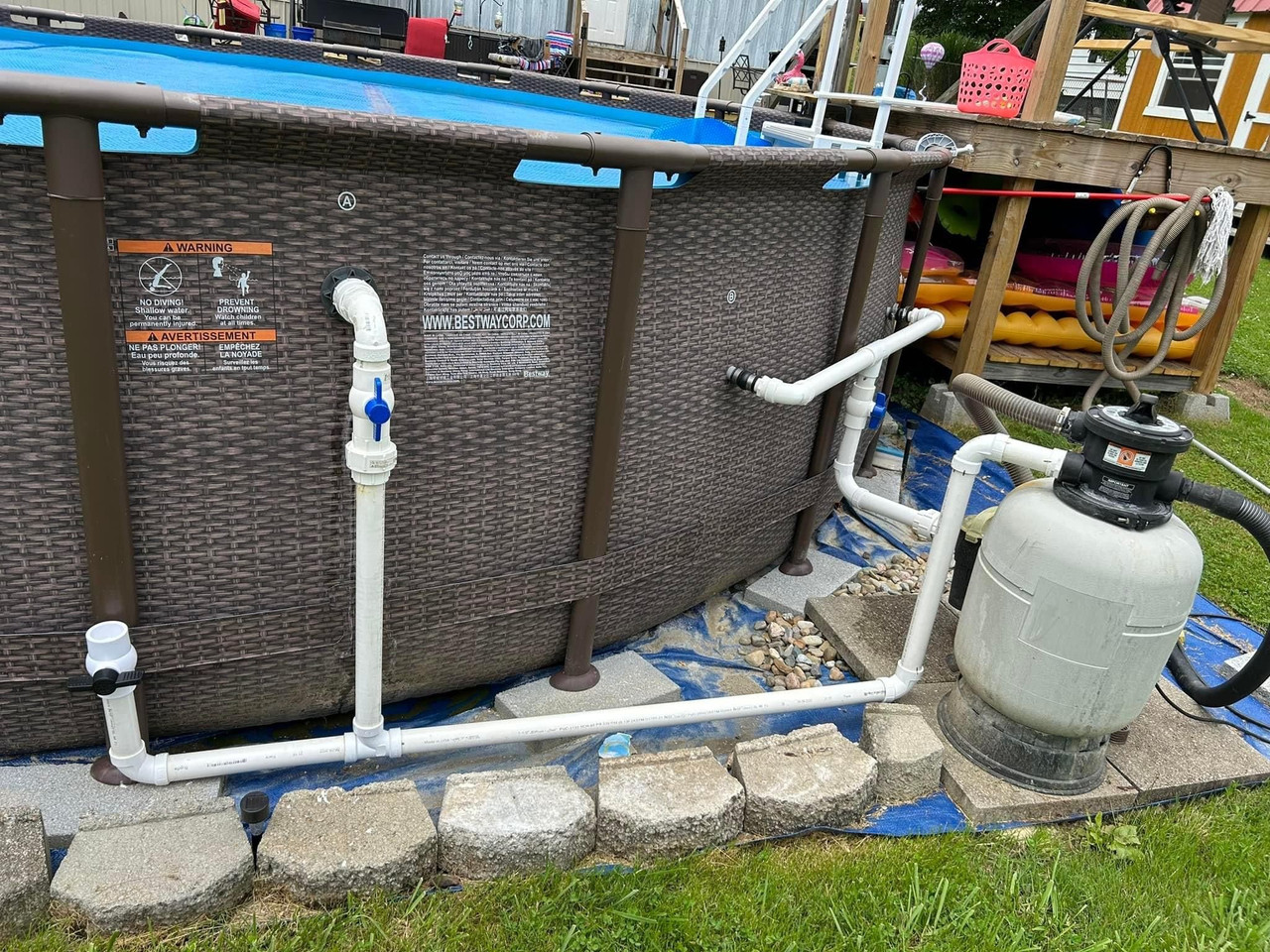
Keep the pump area clean and free from debris. Ensure adequate ventilation around the motor to prevent overheating. Check the pump lid o-ring regularly and apply silicone lubricant to maintain a proper seal.
Running the pump at consistent times daily, rather than sporadically, reduces wear on the motor. Also, never run the pump dry—these damages seals and bearings faster than almost anything else.
Why Is My Pool Pump Making a Loud Noise?
Cavitation—when the pump draws air instead of water—creates a distinctive loud, grinding sound. This usually indicates a blocked intake, low water level, or air leak in the suction line.
Worn bearings produce a high-pitched screech, while debris caught in the impeller causes rattling. Identifying the sound helps pinpoint the problem quickly.
What to Do When Your Pool Pump Loses Pressure
First, check the obvious: is the pump basket clogged? Is the filter dirty? Are there any visible leaks? Low water levels in the pool can also cause pressure issues.
Inspect the pump lid seal and all connection points for air leaks. Even tiny gaps affect suction significantly. If basic troubleshooting doesn’t help, the impeller might need cleaning or replacement.
How Do You Prime an Above Ground Pool Pump?
Fill the pump basket housing with water using a garden hose. Replace the lid securely and turn on the pump. You might need to repeat this process several times until the pump catches prime and water flows steadily.
If the pump won’t prime, check for air leaks in the suction line and ensure all valves are open.
Seasonal Maintenance Tips for Australian Pool Owners
Preparing Your Pump and Filter for Summer
Before the swimming season kicks off, give your entire system a thorough inspection. Deep clean or replace filter media, check all seals and gaskets, and test the pump operation. This prevents mid-summer breakdowns when you need your pool most.
Stock up on replacement parts like o-rings and cartridges so you’re prepared for any issues.
Winter Care: Should You Run Your Pool Pump in Cooler Months?
Absolutely! Even in winter, running your pump for 4-6 hours daily prevents algae growth and keeps equipment in working order. Australian winters aren’t harsh enough to warrant complete shutdown in most regions.
Reduced circulation also causes stagnant water, which damages equipment faster than regular use.
End-of-Season Shutdown Checklist
If you do decide to reduce pool, use during cooler months, clean all filter components thoroughly. Balance water chemistry to protect equipment from corrosion. Inspect the pump and filter housing for cracks that cold nights might worsen.
Common Mistakes That Shorten Pump and Filter Lifespan
Running your pump without adequate water flow causes rapid overheating and seal damage. Ignoring small leaks leads to bigger problems—water and electrical components don’t mix well. Plus, neglecting chemical balance creates acidic or alkaline conditions that corrode metal parts and degrade plastic components prematurely.
When to Call a Professional vs DIY Fixes
Basket cleaning, filter maintenance, and basic troubleshooting are perfect DIY tasks. However, electrical issues, major leaks, or motor problems require professional expertise. When in doubt, calling a qualified pool technician prevents costly mistakes and keeps your warranty intact.
Cost-Effective Maintenance: Saving Money Long-Term
Regular maintenance costs far less than emergency repairs or premature equipment replacement. A quality pump should last 8-12 years with proper care. Spending a few minutes weekly on maintenance saves hundreds—potentially thousands—in the long run.
Keep Your Pool Crystal Clear with Minimal Effort
Maintaining your above ground pool pump and filter system doesn’t need to be complicated or time-consuming. With simple daily checks, regular cleaning routines, and seasonal attention, you’ll keep your equipment running smoothly for years to come.
The key takeaway? Prevention beats cure every time. Those few minutes spent checking baskets, monitoring pressure gauges, and listening for unusual sounds pay dividends in equipment longevity and water quality.
So grab that hose, check those baskets, and give your pump and filter the attention they deserve. Your reward? A sparkling pool ready for enjoyment whenever you fancy a dip—without unexpected repair bills putting a dampener on your summer fun.


Leave a comment