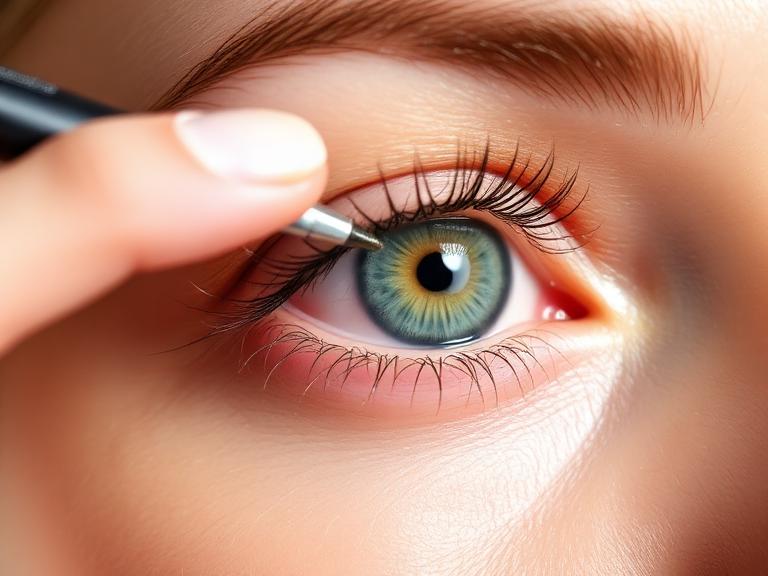
Have you ever found yourself blinking constantly, trying to shake off that gritty, uncomfortable feeling in your eyes? Do your eyes burn after a long day staring at screens, or do they water excessively for no apparent reason? If this sounds familiar, you’re certainly not alone.
Dry eye syndrome affects millions of Australians, yet many people simply put up with the discomfort, assuming it’s just part of modern life. The truth is, this condition deserves serious attention. Left untreated, dry eyes can impact your quality of life, affect your work productivity, and even lead to more significant eye health issues down the track.
In this article, we’ll explore everything you need to know about dry eye syndrome, from understanding what causes it to discovering the latest innovative treatments that are genuinely changing lives. Whether you’re dealing with occasional irritation or severe chronic dryness, you’ll find practical insights and cutting-edge options to help you achieve lasting relief. Let’s get stuck into it.
What Is Dry Eye Syndrome and What Causes It?
Understanding the Tear Film and How It Breaks Down
Your tear film is more complex than you might think. It’s made up of three layers: an oily outer layer, a watery middle layer, and a mucus inner layer. Each plays a vital role in keeping your eyes comfortable, clear, and healthy.
When any of these layers becomes compromised, problems start. The oily layer might not spread properly, causing your tears to evaporate too quickly. Alternatively, your eyes might simply not produce enough of the watery component. Either way, the result is that familiar dry, scratchy sensation.
Common Causes of Dry Eyes
Screen time is one of the biggest culprits in today’s world. When you’re focused on a computer, phone, or tablet, you blink far less frequently—sometimes up to 66% less than normal. This reduced blinking means your tear film isn’t being refreshed as often as it should be.
Environmental factors also play a significant role. Air conditioning, heating systems, windy conditions, and low humidity can all accelerate tear evaporation. Plus, certain medications, including antihistamines, antidepressants, and blood pressure drugs, can reduce tear production as a side effect.
Who Is Most at Risk?
Age is a major factor—dry eye becomes increasingly common after 50. Women are particularly susceptible, especially during hormonal changes like pregnancy or menopause. Contact lens wearers, people who’ve had laser eye surgery, and those with autoimmune conditions such as Sjögren’s syndrome also face higher risks.
How Do I Know If I Have Dry Eye Syndrome?
Recognising the Symptoms: More Than Just Irritation
Dry eye symptoms extend well beyond simple dryness. You might experience a burning or stinging sensation, excessive watering (yes, watery eyes can actually indicate dryness!), redness, or sensitivity to light. Some people describe feeling like there’s something gritty or sandy in their eyes.
Blurred vision that improves with blinking is another common sign. You might also notice that your eyes feel more uncomfortable towards the end of the day, or that wearing contact lenses becomes increasingly difficult.
When Should You See an Optometrist?
If over-the-counter eye drops aren’t providing relief, or if your symptoms are affecting your daily activities, it’s time to book an appointment. An optometrist can perform specific tests to measure your tear production and quality, helping to identify the underlying cause of your discomfort.
Traditional Dry Eye Treatments: What’s Been Done Before
Artificial Tears and Lubricating Eye Drops
For many years, artificial tears have been the go-to treatment for dry eyes. These drops supplement your natural tears, providing temporary relief from discomfort. They’re readily available at pharmacies and can be used as needed throughout the day.
However, not all eye drops are created equal. Some contain preservatives that can irritate sensitive eyes with frequent use. Preservative-free options are gentler but typically come in single-use vials, making them pricier and less convenient.
Warm Compresses and Lid Hygiene
Another traditional approach involves applying warm compresses to your closed eyelids. This helps soften any blockages in the oil glands along your eyelid margins, improving oil flow into your tear film.
Lid hygiene—gently cleaning your eyelids with specialised wipes or diluted baby shampoo—can also help manage conditions like blepharitis that contribute to dry eye. While these methods provide some relief, they require consistent daily effort and don’t address all underlying causes.
Innovative Dry Eye Treatments Changing the Game
Intense Pulsed Light (IPL) Therapy for Dry Eye
IPL therapy, originally developed for dermatological treatments, has emerged as a powerful option for dry eye sufferers. This treatment uses pulses of light to target inflammation around the eyelids and improve the function of the meibomian glands—the tiny oil-producing glands in your eyelids.
Multiple sessions are typically required, but many patients report significant, long-lasting improvement. IPL is particularly effective for evaporative dry eye caused by meibomian gland dysfunction.
Radiofrequency Treatment and Thermal Pulsation Devices
Radiofrequency treatments deliver controlled heat to the eyelid tissues, helping to melt blockages in the meibomian glands and stimulate healthier oil production. Thermal pulsation devices work similarly, applying precise heat and gentle pressure to express blocked glands.
These in-office procedures are generally comfortable and quick, with many patients noticing improvement after just one or two sessions.
Low-Level Light Therapy (LLLT)
LLLT uses specific wavelengths of light to reduce inflammation and stimulate cellular healing. When applied to the eye area, it can improve meibomian gland function and reduce dry eye symptoms. This gentle, non-invasive approach is often used alongside other treatments for enhanced results.
Neurostimulation Devices: A New Frontier
Some of the most exciting innovations involve neurostimulation—using gentle electrical impulses to stimulate your body’s natural tear production. Devices are now available that can be used at home, offering a drug-free way to boost tear production on demand.
Can Dry Eye Syndrome Be Cured Permanently?
Managing Expectations: Treatment vs. Cure
Here’s the honest truth: for most people, dry eye syndrome is a chronic condition that requires ongoing management rather than a one-time cure. However, this doesn’t mean you can’t achieve excellent relief and maintain comfortable eyes long-term.
Long-Term Strategies for Lasting Relief
The key is finding the right combination of treatments and lifestyle modifications that work for your specific situation. Many people find that after addressing the underlying causes—whether that’s improving meibomian gland function or reducing inflammation—their symptoms become far more manageable with minimal ongoing intervention.
What Is the Best Treatment for Severe Dry Eyes?
Combination Therapies and Personalised Treatment Plans
Severe dry eye often requires a multi-faceted approach. Your eye care professional might recommend combining innovative treatments like IPL with prescription medications and lifestyle changes. There’s no one-size-fits-all solution, which is why personalised treatment plans are so important.
Prescription Options and Anti-Inflammatory Treatments
For severe cases, prescription anti-inflammatory eye drops can help break the cycle of inflammation that perpetuates dry eye. Other options include prescription drops that increase tear production or, in some cases, tiny plugs inserted into the tear ducts to help tears remain on the eye surface longer.
Natural and Lifestyle Remedies for Dry Eye Relief
Dietary Changes and Omega-3 Fatty Acids
What you eat matters for your eyes. Omega-3 fatty acids, found in oily fish, flaxseeds, and walnuts, have been shown to support healthy tear production and reduce inflammation. Many people notice improvement after incorporating these foods into their diet or taking quality supplements.
Environmental Modifications
Simple changes can make a big difference. Using a humidifier, taking regular screen breaks (the 20-20-20 rule is helpful), wearing wraparound sunglasses outdoors, and staying well-hydrated all support tear film health.
How Much Does Dry Eye Treatment Cost in Australia?
Treatment costs vary considerably depending on the approach. Basic artificial tears might cost $10-$30, while innovative treatments like IPL therapy typically range from $200-$500 per session. Many private health insurance plans offer some coverage for these treatments, so it’s worth checking your policy.
Finding the Right Dry Eye Specialist Near You
Look for an optometrist or ophthalmologist with specific experience in dry eye management. Many practices now offer dedicated dry eye clinics with access to the latest diagnostic tools and treatments. Don’t hesitate to ask about their approach and the technologies they use.
Taking the First Step Towards Comfortable Eyes
Dry eye syndrome is far more than a minor inconvenience—it’s a genuine medical condition that deserves proper attention and treatment. The good news is that we’re living in an exciting time for dry eye management, with innovative treatments offering relief that wasn’t possible just a few years ago.
Whether you’re dealing with mild irritation or severe chronic dryness, there are more options available than ever before. From cutting-edge IPL therapy to simple lifestyle modifications, the right combination of approaches can help you achieve genuinely comfortable eyes.
So, don’t just put up with dry, uncomfortable eyes. Reach out to a qualified eye care professional, explore your options, and take that first step towards lasting relief. Your eyes will thank you for it.
 Aussies Fitness Blog
Leave a comment