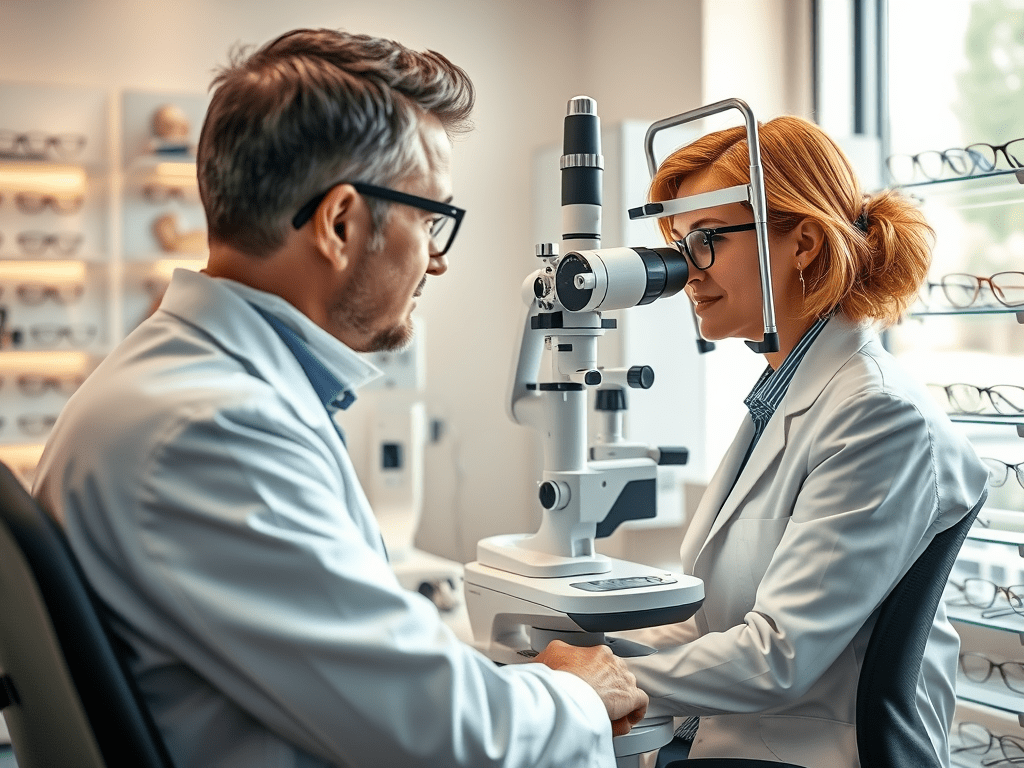
Our eyes are miraculous organs, permitting us to perceive shapes and colours that create our vivid reality. However, the beauty of sight can be disrupted or lost due to various eye problems. This is where the relevance of regular eye examinations and the crucial role of optometrists comes into play. Generations of advancements in the healthcare industry have paved the way to a dynamic and diversified scope of optometry: it now reaches far beyond mere vision correction. This article will immerse you in the broad array of services that modern-day optometrists provide, showing the expanding dimensions of eye healthcare in Australia.
Getting Acquainted with the Realm of Optometry
Optometry is a healthcare profession that focuses on the eyes and related structures, the visual system, and vision information processing. However, the domain of optometry has greatly expanded from traditional eye exams and standardised eyewear prescriptions. According to Vision 2020 Australia, nearly 420,000 Australians are vision impaired or blind. Yet, with timely intervention by a knowledgeable optometrist, over 90% of vision impairment can be prevented or treated. With ongoing technological advancements and best practice evolution, the contemporary field of optometry has become more comprehensive and resulted-oriented than ever before.
The Breadth of Services Offered by Cutting-Edge Optometrists
Modern optometrists offer a wide plethora of vision care services, ranging from conventional eye check-ups to sophisticated diagnostic procedures and disease intervention. They prescribe eyeglasses and contact lenses, detect eye abnormalities, and can diagnose conditions such as glaucoma and cataracts. Many times, an optometrist is the first health care provider to detect chronic systemic diseases such as high blood pressure and diabetes.
Advanced Vision Tests
Optometrists nowadays employ advanced vision tests like retinal photography, optical coherence tomography, and corneal topography. Retinal photography helps in documenting the internal structures of the eyes which is useful for tracking changes over time. Optical coherence tomography offers a highly detailed view of the retina, aiding in early detection of diseases like macular degeneration and glaucoma. Corneal topography is crucial in fitting contact lenses, planning refractive surgery and diagnosing disorders that affect eye surface regularity.
Contact Lenses & Glasses Prescription
The realm of prescription glasses and contact lenses has seen noteworthy innovation with regard to materials, design and personalisation. Progressive lenses and glasses designed for specific tasks such as computer work are now widespread. Contact lenses too have evolved dramatically. Today we have everything from daily disposable lenses to custom-made lenses for irregular corneas.
Diagnostic Services
Optometrists play a pivotal role in diagnosing common eye diseases. They have the expertise to detect conditions like glaucoma, a disease where increased intraocular pressure can lead to eye nerve damage, or cataract, a condition denoted by the clouding of the lens. They also play a cardinal role in diagnosing macular degeneration which affects the central vision.
Early Disease Intervention & Management
Modern optometrists aid in the early detection and management of eye diseases. By identifying diseases in their early stages, optometrists can recommend timely intervention, increasing the odds of successful treatment. Some ocular diseases are also indicative of systemic diseases; hence regular eye check-ups can even detect conditions like diabetes or high blood pressure in early stages.
Specialised Optometrist Services
Modern optometrists also offer specialised services catering to specific requirements. These include paediatric optometry focused on children’s vision, sports vision focusing on improving athletes’ performance, neuro-optometry for patients with neurological conditions that affect their vision, and occupational vision that provides optimal eye care for specialised workforce settings.
Future of Optometry
The field of optometry is ripe with possibilities. Technological advancements like smart glasses, retinal implants and genetic therapy for inherited eye diseases indicate a future where vision impairment might almost completely be eliminated. Furthermore, virtual reality applications in vision therapy represent an engaging and effective approach to treating a wide variety of vision problems.
Choosing the Right Optometrist for You
It’s crucial to choose an optometrist who is competent and aligns well with your specific needs. Factors to consider include their professional qualifications, range of services offered, patient reviews, and their approach towards patient care. Keep a lookout for those who continuously update their knowledge base and are proactive in adopting new technologies.
Frequently Asked Questions (FAQ)
Does an optometrist perform eye surgeries? Optometrists do not perform eye surgeries. However, they can provide pre and post-operative care for ocular surgeries performed by ophthalmologists.
What’s the difference between an optometrist and an ophthalmologist? Both are eye doctors, but an ophthalmologist can conduct eye surgeries while an optometrist cannot. Both possess unique skills and can often work in concert to provide optimal eye care.
Conclusion
Our vision is a precious asset and reaching out to proficient optometrists for regular check-ups or specific needs is the best way to ensure eye health. Modern optometrists encapsulate a broad spectrum of services and specialisations, therefore expanding their role from mere vision correction to preventive and comprehensive eye care providers. This article should have demonstrated the profundity of the optometry field, empowering you to make informed eye care decisions.
 Aussies Fitness Blog
Leave a comment