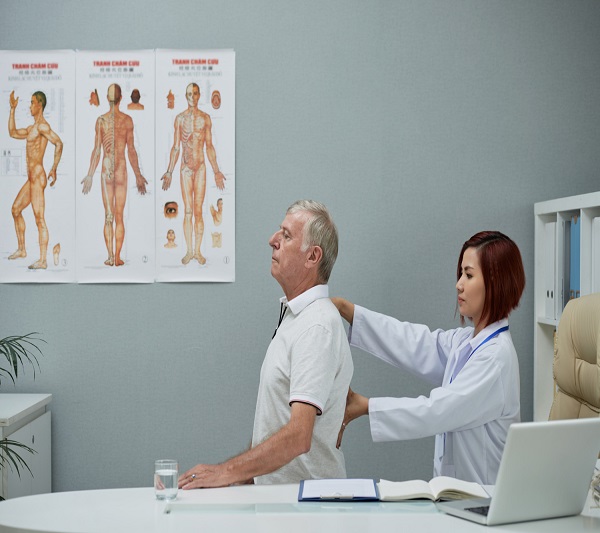
Do you ever feel that nagging ache in your back after a long day at work? Or maybe you’ve woken up with a stiff spine, wondering what on earth caused it overnight? Back pain is more common than you might think, and if it’s left unaddressed, it can affect both your mood and your daily routine. That’s why finding the right path to relief is absolutely key.
In this post, we’ll explore how to choose an effective back pain treatment in Melbourne and why focusing on Brunswick can be a game changer. We’ll talk about common back pain causes, different treatment options, and what you can reasonably expect if you opt for physiotherapy or other approaches. By the end, you’ll feel more confident about making decisions that can get you back to doing the things you love, whether that’s playing with the kids, heading to yoga, or simply sleeping through the night.
We’ll touch on popular questions such as “Can physio help lower back pain?” and “Is physiotherapy good for lower back pain?” along with “Does physiotherapy work for back pain?” You’ll also discover physiotherapy tips for back pain, plus advice on coping with back pain after physiotherapy. So let’s jump right in and unpack how you can break free from ongoing discomfort and reclaim your day-to-day life.
Understanding Back Pain
Back pain often sneaks up when you least expect it. One minute you’re feeling fine, and the next you’re struggling to climb the stairs. It can be anything from a slight twinge to a devastating pop that makes you gasp. Recognising how and why back pain starts is one of the first steps in finding relief.
Common Causes and Contributing Factors
Many people blame their mattress or a single awkward lift at the gym for their back pain, but that’s only part of the story. In truth, back pain can develop due to poor posture over many months, working a desk job without breaks, or skipping essential core exercises. Sitting hunched at a computer can strain your back, and so can standing in one position for too long.
Other contributors include carrying extra weight, wearing unsupportive shoes, and holding on to stress. Emotional tension can lead to tight muscles across the shoulders and lower back, further compounding any existing issues. Ageing also increases the likelihood of disc-related problems or arthritis, yet that doesn’t mean you must endure constant discomfort. By being mindful of your everyday habits, it becomes easier to identify what might be triggering your back issues.
Recognising Symptoms and When to Seek Help
Most of us will experience mild back pain at some point in our lives. That doesn’t always mean it’s time to dash to a clinic. However, if your discomfort stays the same or worsens after a few days, or if it begins to affect your normal day-to-day activities, it might be time to see a professional. Additional warning signs are loss of sensation in your legs or difficulty controlling your bladder or bowels. These indicate an urgent need for medical attention.
Don’t ignore pain that comes and goes in cycles either—sometimes, persistent tightness or small spasms can turn into chronic aches if left untreated. Early intervention can spare you months of trouble, so consider seeking treatment once you notice consistent symptoms.
Back Pain Treatment in Melbourne: Why Brunswick Stands Out
Melbourne is famous for its bustling culture, lively cafes, and an active community of health experts. When it comes to back pain treatment in Melbourne, Brunswick often shines as a prime spot to receive care. This suburb is home to a range of clinics offering diverse services such as physiotherapy, chiropractic care, and massage therapy.
Why Brunswick? For starters, it has convenient public transport links, making it simpler to attend treatments without the stress of sitting in traffic for hours. You’ll also find many practitioners who focus on holistic methods tailored to each individual’s needs. If you’re exploring back pain treatment Brunswick options, you can discover clinics that value community spirit, personalised care, and a friendly atmosphere. This sense of connection can make the recovery journey smoother, as you’ll feel more supported and motivated each step of the way.
Plus, Brunswick’s growing reputation for inclusive wellness means you can easily pair your treatments with relaxing yoga classes, local fitness groups, or mindful practices. The area brings together a community of people who believe in leading healthy, active lives, which can give you a motivational push as you work on your back health.
Exploring Treatment Options for Back Pain
Everyone’s back pain is unique. Understanding the different approaches will help you figure out what might suit you best. Here’s a closer look at the main treatments.
Physiotherapy: Can Physio Help Lower Back Pain?
Physiotherapy is often the first choice for anyone dealing with consistent back aches. It’s a therapeutic approach that uses targeted exercises and hands-on techniques to strengthen the body, stimulate healing, and promote flexibility. Can physio help lower back pain? Absolutely—it typically focuses on retraining muscles, improving posture, and teaching you ways to protect your spine in daily life.
Physiotherapists will usually conduct a detailed assessment, then create a customised plan for your needs. This plan may include manual therapy, gentle stretching, and exercises that build core stability. In some cases, they might also utilise techniques like ultrasound or dry needling to further support your recovery.
Chiropractic Care
Chiropractic care centres around spinal alignment. A chiropractor uses hands-on adjustments to address misalignments in the spine that may be causing nerve compression, muscle tension, or restricted movement. Many people find relief from chronic or acute back pain through a series of gentle manipulations.
This type of care isn’t limited to cracking and clicking joints. Modern chiropractors often offer guidance on posture, ergonomic work environments, and recommended exercises to complement your treatment. If your back pain is related to a misalignment that stems from poor posture, chiropractic adjustments can bring noticeable results over time.
Massage and Myotherapy
Massage therapy is a popular way to lower stress while also loosening tight muscles. When muscles around your spine are less tense, your back may feel more relaxed and mobile. Myotherapy goes a step further by focusing on the functional aspect of muscles, tending to soft tissue issues that might be tied to particular areas of pain.
Both methods aim to reduce stiffness, boost blood flow, and encourage faster healing. Many people combine massage or myotherapy with other treatments, such as physiotherapy or chiropractic care, for a multi-dimensional approach that nurtures the body and mind.
Acupuncture and Other Complementary Therapies
Acupuncture and related therapies can offer another layer of back support. Originating from Traditional Chinese Medicine, acupuncture involves gently inserting fine needles at specific points on the body to promote balance, ease pain, and improve energy flow.
Some people pair acupuncture with techniques like cupping or herbal remedies to further enhance the pain-relieving effect. While scientific views vary, numerous individuals report positive feelings of relaxation, which can certainly help if stress or muscle tension is contributing to your pain. If you decide to try acupuncture, look for a qualified practitioner who prioritises cleanliness and comfort throughout the procedure.
Medications and Pain Management
For certain back problems, medication can be an immediate way to lessen severe discomfort and aid mobility. Options might include over-the-counter anti-inflammatories or prescribed medications. Used carefully and under professional advice, these can deliver a short-term respite while you’re establishing a longer-term plan.
However, keep in mind that medication alone is rarely a permanent fix. It’s typically best used alongside active treatments such as physiotherapy or exercise routines. Overusing painkillers can do more harm than good, so ensure you discuss safe usage with your doctor or pharmacist.
Is Physiotherapy Good for Lower Back Pain?
Understanding the Benefits
If you’re wondering, “Is physiotherapy good for lower back pain?” the short answer is often yes. One of the key advantages is that physiotherapy digs deeper than just symptom relief—it addresses underlying causes. A qualified physiotherapist will examine your posture, muscle balance, and daily habits to uncover any specific triggers for your discomfort.
By focusing on gentle exercises involving the core, hips, and back, you can gradually build strength and resilience. Plus, you’ll typically learn new ways to move, lift objects, or even sit at your desk so that you avoid future setbacks. This educational component can be invaluable for preventing recurring pain down the track.
Techniques Used by Physiotherapists
During physiotherapy, you might experience techniques such as mobilisation, where the therapist carefully guides joints or muscles through a controlled range of motion. They may also use massage and trigger point release to reduce tension. Strength-building exercises often target small stabiliser muscles you didn’t even know you had, as these play a major role in supporting your spine.
Your physiotherapist could also focus on posture alignment by showing you how to sit and stand in a healthier way. Rather than prescribing a “one-size-fits-all” method, they’ll tailor a program specifically to what your body needs. Sessions may involve hands-on care in the clinic, as well as homework exercises you can safely perform at home.
Does Physiotherapy Work for Back Pain?
Scientific Evidence and Expert Opinions
When people ask, “Does physiotherapy work for back pain?” the response is often backed by research. Numerous studies indicate that physiotherapy can be highly effective in managing and preventing lower back pain. Experts emphasise the importance of early intervention: the sooner you begin addressing symptoms, the greater your chance of experiencing a complete recovery.
Physiotherapy-based approaches aim to reduce pain, restore movement, and equip you with tools to keep back pain in check. The credibility of physiotherapy is well supported by healthcare professionals, who see its benefits in everything from sports injuries to post-operative rehabilitation. If a doctor recommends physiotherapy for back issues, chances are they’ve seen promising outcomes in other patients with similar concerns.
Real-Life Success Stories
It’s one thing to read statistics, but hearing real-life success stories can be far more reassuring. Many individuals arrive at physiotherapy feeling worried and discouraged, especially if they’ve tried other methods that didn’t provide lasting relief. After just a few sessions, however, they often notice improved mobility, reduced stiffness, and a higher level of confidence in daily tasks.
Take Cameron, for example. He had lingering back pain after running his first half-marathon. Physiotherapy helped him gain better hip mobility, so his lower back wasn’t doing all the work. Now he’s back to running, stronger and more comfortable than before. Stories like Cameron’s remind us that skilled physiotherapy can change the trajectory of persistent back pain.
Physiotherapy Tips for Back Pain
Simple At-Home Exercises
Sometimes, it’s the little changes that make the biggest difference. A few basic exercises can strengthen your supporting muscles, reduce tension, and help you maintain better spine alignment. Consider gentle cat-camel stretches to mobilise the spine, or practise pelvic tilts to engage your core. Yoga poses like the Child’s Pose or the Sphinx can be beneficial for loosening tight backs.
If you’re unsure, your physiotherapist can demonstrate these moves so you can practise confidently at home. It’s always wise to start slowly, focusing on correct technique rather than speed. Over time, these exercises can boost your flexibility and make your lower back feel far more stable.
Lifestyle Adjustments and Ergonomic Advice
Beyond exercise, think about how you position your body during daily activities. If you spend hours each day hunched over a computer, make sure your chair supports your lower back, and that your screen is at eye level. Use a footrest if it helps your posture, and consider a sit-stand desk for a refreshing change of position.
On top of that, pay attention to how you lift items. Bend your knees and keep your back straight if you’re picking something up off the floor. Avoid twisting your torso mid-lift, as this can strain your spine. Small tweaks to your daily routine can complement any physiotherapy tips for back pain, setting you up for a healthier spine in the long run.
Coping with Back Pain After Physiotherapy
Possible Reasons for Persistent Pain
So, you’ve completed a round of physiotherapy, yet you’re still feeling back pain after physiotherapy. What’s going on? Sometimes, it takes longer to see results, especially if your pain stems from a chronic condition or longstanding postural habits. You might also be slightly overdoing your exercises or ignoring crucial recovery steps like rest, hydration, and proper nutrition.
Other contributors could be stress or insufficient adaptation of your workstation. Consider reassessing your daily activities to identify any ongoing issues. If your pain isn’t improving at all, get back in touch with your therapist or consult another professional for a second opinion.
Next Steps and Recovery Strategies
Recovery isn’t always a straight line from injury to wellness. It can involve plateaus or minor setbacks before you finally see consistent relief. If back pain lingers, speak with your physiotherapist to update your treatment plan. They might suggest additional exercises, manual therapy techniques, or even referral to another specialist for a more complete assessment.
Staying positive is crucial. Continue focusing on gentle movement, proper posture, and a balanced lifestyle. In some cases, trying complementary therapies, such as massage or acupuncture, might encourage faster progress. Remember, the goal is not just to eliminate pain, but to achieve a sustainable level of physical health that keeps you feeling strong every day.
Choosing a Back Pain Treatment Provider
Qualifications and Experience
Selecting the right back pain treatment provider can make a world of difference in how quickly you recover. Look for professionals who have solid qualifications and a proven track record in managing back pain—particularly if your situation involves special conditions like disc herniations or nerve involvement. Experienced physiotherapists or chiropractors usually have advanced training, so don’t hesitate to ask about their background.
It’s also important that you feel at ease with whoever is treating you. After all, a comfortable rapport fosters open communication, enabling you to discuss concerns without worrying about judgement. Feeling relaxed can help you get the most out of each session.
Clinic Facilities and Location
Another factor to keep in mind is the convenience of the clinic itself. Is it near your home, or at least along your daily commute? How easily can you park or hop on public transport? If you’re looking for back pain treatment in Melbourne, Brunswick has an advantage because it’s well connected to various tram and train routes. This can save you a lot of hassle when scheduling follow-up appointments.
Clinic facilities can also play a role in your decision. Spacious treatment rooms, up-to-date equipment, and a friendly reception team can ease your mind. If a clinic offers multiple types of therapy—like a combination of physiotherapy, chiropractic care, and massage—all in one place, that can be an added bonus for comprehensive care.
Financial Considerations and Health Insurance
The cost of sessions is a crucial issue, especially when multiple appointments are required. Before starting treatment, find out what the fees are and whether your health insurance will help cover them. Some private health funds include physiotherapy or chiropractic care in their extras policies, and you might need to check how much you can claim.
If you don’t have health insurance, don’t be afraid to ask about payment plans or discounts for multiple sessions. Your health is priceless, but it makes sense to plan ahead so you can complete your recommended treatment without worrying too much about finances.
Frequently Asked Questions
“Can Physio Help Lower Back Pain?”—A Quick Overview
Yes. Physiotherapy can absolutely help lower back pain by targeting muscle imbalances and offering exercises that improve posture and core strength. Consult a qualified physiotherapist who will tailor a program to your individual needs, guiding you through the recovery process step by step.
“Is Physiotherapy Good for Lower Back Pain?”—Key Takeaways
Physiotherapy is often a first-rate approach for managing lower back problems. It not only addresses the pain itself, but also tackles root causes such as posture or weak supporting muscles. Many people experience long-term relief once they stick to their physiotherapist’s advice and remain consistent with home-based exercises.
“Does Physiotherapy Work for Back Pain?”—Common Perspectives
Absolutely. Back pain specialists frequently recommend physiotherapy thanks to its proven track record in boosting recovery and preventing future setbacks. Through guided exercise, manual therapy, and lifestyle adjustments, physiotherapy offers a practical, evidence-based method for coping with mild to severe back aches.
How Long Does It Take to See Results from Physiotherapy?
It can vary for everyone. Some individuals see noticeable improvements within two or three sessions, while others need several weeks of consistent therapy. Factors like age, overall fitness, and severity of the underlying issue can affect your recovery timeline.
Are There Any Risks Associated with Back Pain Treatments?
Most treatments, when conducted by qualified professionals, are low risk. However, any physical therapy involving manual manipulation or exercise can sometimes lead to mild soreness or discomfort, especially early on. Discuss any concerns with your practitioner, and if your pain worsens or feels unusual, schedule a follow-up appointment promptly.
Conclusion: Taking Control of Your Back Pain Journey
Finding the right back pain treatment in Melbourne can feel like a daunting process, but it doesn’t have to be. By focusing on places like Brunswick that value inclusive, community-focused care, you can discover solutions tailored to your unique needs. Remember, the journey to recovery often involves a blend of methods—physiotherapy, chiropractic care, and even massage or acupuncture can all support the healing process.
No single approach fits everyone, so stay open to trying different treatments and ask plenty of questions along the way. If you find yourself uncertain, seek professional guidance. The answers to questions like “Can physio help lower back pain?” or “Does physiotherapy work for back pain?” often lie in a personalised plan that addresses your body’s specific concerns.
Ultimately, your health is in your hands. By adopting simple changes to your lifestyle, practising good posture, and seeking out experienced professionals, you can keep that nagging back pain at bay. It’s time to move worry-free, engage in fun activities, and wake up feeling energised. Your back deserves the best care—and with the right strategies, you’ll be back to your confident, active self in no time.
Ready to Reclaim a Pain-Free Life?
If you’re searching for effective back pain treatment in Brunswick, now is the time to take that first step. Whether you’re dealing with persistent lower back aches or sudden discomfort, our team of experienced professionals is here to help.
Book your consultation today and discover personalised care through physiotherapy, chiropractic, massage, or acupuncture—designed just for you.
Contact your local Brunswick back pain specialists now and start your journey to a healthier, more active you!
 Aussies Fitness Blog
Leave a comment